It is interesting watching Match Point right after watching Brideshead Revisited (2009). In Brideshead Revisited, Charles Ryder (Matthew Goode) reminds me of someone I know, but there is no resemblance whatsoever with that same person upon seeing his performance as Tom Hewitt in Match Point. This indeed proves Goode is an excellent actor. But he merely plays a supporting role in Match Point. It is through him that the real protagonist Chris (Jonathan Rhys Meyers) is introduced to a lifestyle of luxury and comforts, his career and future secured by marriage to the all-too-common (but sweet) Chloe Hewitt. But of course, this is all too good to be true.
Meyers delivers a satisfactory performance. Its his solo show, really. But overall, the film suffers from a rather commonplace plot, IMO. About half way through, I thought, please let there be a murder, or else it would just be such a boring story. And I was not disappointed. I rapped my desk with glee (not decent, I know) when the scene came up where Meyers starts fumbling in his father-in-law's shotgun room. I can't explain why but I was rooting for him to get away with the whole clumsy murder of Nola -- the victim of every man's lust. I think its because he's such a mediocre and pathetic person that he deserves to get away with it and live his rather mediocre and pathetic (though rich) life into his ripe old age. I find no one particularly likable in this film. The Hewitts strike me as careless, heartless and stupid people, living naively and unintentionally, robbed of sensibilities only those who climbed up from below could understand. Nola is a hapless tragedy who always has everything to lose, and who just can't seem to cling to something better. And Tom (Goode) is mostly just in the background, serving as a contrast to Meyers, who has to juggle a dozen things at a time to hang on to his hard earned place.
Meyers is the only interesting character, comparatively speaking. But he is not the first of his kind and he won't be the last. He stands to lose everything, just like Nola. The only difference between him and Nola is that luck seems to be on his side.
At some point in the film, Meyers confides his problems to a friend, and he talks about his feelings towards the two women, Chloe and Nola, calling one "love" and the other "lust". There is certainly a lot of lust in the film. But I didn't find an iota of love, not from Meyers, not from Tom, not from Nola. There is no genuine affection in this film, only a chockfull of greed, vanity, stupidity and smallish people. Though Chloe's feeling towards Meyers may be genuine, but she is just too a-dime-a-dozen to be likable, a sweet and simple little thing, having everything and anything she desires only because she has the right papa to secure her happiness.
Monday, August 1, 2011

Wednesday, July 27, 2011
一些無關緊要的小事
原來壽岳章子也已經下世了啊
Peter Hessler和Leslie Chang為人父母了,有了一對雙胞胎女兒。不知道爲何有點感動
原來我家後院是有螢火蟲的,天黑之後如果仔細觀察,會看見灌木叢中和樹枝之間有它們偶爾閃亮的蹤影
Peter Hessler和Leslie Chang為人父母了,有了一對雙胞胎女兒。不知道爲何有點感動
原來我家後院是有螢火蟲的,天黑之後如果仔細觀察,會看見灌木叢中和樹枝之間有它們偶爾閃亮的蹤影
[轉載] Han Han - A Derailing Nation
原文不出所料,已被和諧,特此轉載存檔留念。
韩寒:脱节的国度 / 和谐号动车追尾
你一直问,他们何以如此的丧心病狂,他们却觉得自己已经非常的克制忍让。
你一直问,他们何以如此的颠倒黑白,他们却觉得自己已经非常的公正坦率。
你一直问,他们何以如此的包庇凶手,他们却觉得自己已经非常的愧对炮友。
你一直问,他们何以如此的掩盖真相,他们却觉得自己已经非常的透明开放。
你一直问,他们何以如此的生活腐化,他们却觉得自己已经非常的艰苦朴素。
你一直问,他们何以如此的骄横傲慢,他们却觉得自己已经非常的姿态低下。
你觉得自己很委屈,他们也觉得自己很委屈,他们认为,在清政府的统治下,老百姓连电视机都看不上,现在电视机已经走进了千家万户,这是多大的进步。
他们觉得,我们建了这个,我们建了那个,你别管过程中发生了什么,也别管这是给谁献礼,至少你用到了吧。你以前从上海到北京火车要一天一夜,现在只要不被雷劈,五个小时就到了,你为何不感激,为何充满了质疑?
偶然发生一个安全事故,中央最高领导都已经表示了关心,我还派人来回答你们记者的问题,原来赔17万,现在赔50 万,甚至撤职了一个兄弟,事情都做到这份上了,你们为什么还抓着一些细节不放呢,你们的思想怎么反而就这样不开放呢?你们的大局观都去哪里了呢?为什么要我谢罪呢,我又没犯罪,这是发展的代价。迅速处理尸体是我们的惯例,早签字多发奖金,晚签字少拿赔偿,这是我们的兄弟部门在强拆工作中被证明了行之有效的手段。掩埋车厢的确是当时一个糊涂做出的一个决定,况且是上头叫我们这么做的。因为上头觉得任何可能引发的麻烦都是可以就地掩埋的。错就错在大白天就开始施工,洞挖太大,而且没有和宣传部门沟通好,现场的摄影记者也没有全控制住,准备工作比较仓促。这次事故最大的教训就是以后在就地掩埋的时候还是要考虑到物体的体积和工作的保密。还是低估了。
他们认为,总体来说,这次的救援是成功的,及时的。调度合理,统筹规范,善后满意。唯一的遗憾是在舆论上有点失控,他们觉得这就不是我们的责任了,舆论不归我们管。
他们认为,从大的来说,我们举办了奥运会,我们取消了农业税,这些你们不赞美,老是抓住一些细枝末节的东西,这是什么居心。我们本可以在政治上比朝鲜更紧,在经济上比苏丹更穷,在治国上比红色高棉更狠,因为我们拥有比他们更多的军队,但是我们没有那么做,你们不感恩,却要我们谢罪,我们觉得很委屈。这个社会里,有产者,无产者,有权者,无权者,每个人都觉得自己很委屈。一个所有人都觉得委屈的国家,各个阶层都已经互相脱节了,这个庞大的国家各种组成的部分依靠惯性各顾各的滑行着,如果再无改革,脱节事小,脱轨难救。
国家为什么不进步,是因为他们中的很多人一直在用毛泽东斯大林时代的他们来衡量自己,所以他们永远觉得自己太委屈了,太开明了,太公正了,太仁慈了,太低姿态了,太不容易了。他们将科技裹着时代向前走的步伐当成了自己主动开放的幻象,于是你越批评他,他越渴望极权,你越搞毛他,他越怀念毛。
有一个国家机器朋友对我说,你们就是不知足,你这样的文人,要是搁在四十年前,你就被枪毙了,你说这个时代,是进步了还是退步了。
我说,你们就是不知足,你这样的观点,要是搁在九十年前,早就被人笑死了,你说这个时代,他到底是进步了还是。
Monday, July 25, 2011
小貓的報恩?
前兩天,在後院石板地上忽然發現一坨肉乎乎的東西,猛一看嚇一跳,還以爲是什麽小動物死在那裏。再仔細一看,發現有個小魚頭,還有像是油炸過的肉類的東西。由於天氣悶熱,已經叮了不少蒼蠅,怪噁心的。
這坨東西哪裏來的呢?不太可能是從飛鳥嘴裏掉下來的,附近這些種類的鳥應該不會一次叼這麽多東西。想來想去,大概是那幾只小朋友叼來的吧。最有可能的解釋,是從別人家喂貓的飯盆裏叼來的殘羹剩飯吧?也就是說,是叼來“送給我吃的?”
結果,我們把小貓的好心當肥料埋在了泥土裏。第二天,竟然又在後院發現貌似肉類的一坨東西。哈哈,貓朋友看來還是有點良心的啊。
這坨東西哪裏來的呢?不太可能是從飛鳥嘴裏掉下來的,附近這些種類的鳥應該不會一次叼這麽多東西。想來想去,大概是那幾只小朋友叼來的吧。最有可能的解釋,是從別人家喂貓的飯盆裏叼來的殘羹剩飯吧?也就是說,是叼來“送給我吃的?”
結果,我們把小貓的好心當肥料埋在了泥土裏。第二天,竟然又在後院發現貌似肉類的一坨東西。哈哈,貓朋友看來還是有點良心的啊。
Thursday, July 21, 2011
Recent readings
As always, I have too much on my plate. But I seem to be building up a nice rhythm lately. I have been making the best use of local libraries, and since I kind of got myself into a "classic frenzy", libraries are the best places to find them. If nothing else, libraries always have a respectable shelf of essential classics. The one that is closest to my office is a tiny library, but it has an impressive A to Z classic collection. =)
But that doesn't mean I'm not reading anything else. There's been a rekindling of interest in Japanese novels/short stories/mysteries, so I currently have these books I'm about to read (finished one of them, actually):
 《千年繁華-京都的街巷人生》(壽岳章子)
While I was browsing the shelves at Flushing Library, this book immediately had my attention. There is nothing extraordinary about a travelogue of Kyoto, that is to say, it is as extraordinary as the next travelogue of any other place. But what makes this particular book stand out is the carefully drawn pencil sketches of everyday scenes of Kyoto, which accompany the texts. The sketches (I think they were done using graphite or maybe charcoal) are endearing, and they somehow make the texts more enticing. I haven't really begun this book, but a quick skim was enough to show that the writing is typical of Japanese female writers -- soft, exquisite, devel-in-the-detail. The book was written almost a century ago, but as a travelogue, it is still very relevant. I think the author wrote not so much about the places themselves as her family which spent their lifetimes in this ancient city that bears so much weight from its past.
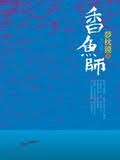 《香魚師》(夢枕貘/ばく ゆめまくら)
I've been a long term fan of Baku Yumemakura's Onmyoji series (陰陽師). It is rare that I happen to like every form of adaptation of a piece of work, but in the case of Onmyoji, it is pretty much the case: I like the original stories themselves written by Baku Yumemakura, I like the manga series created by Reiko Okano (岡野鈴子), and I like the movie adaptation with Abe no Seimei played by Nomura Mansai (野村万齋). So I am eager to try some of Baku's other books. This book seems to be about fishing sweetfish (ayu/Plecoglossus altivelis). But its not about fishing at all, its about the people who go fishing.
 《東京奇譚集》(村上春樹)
If nothing else works, pick anything by Murakami Haruki. I've not read ANY of Murakami's short stories, so I thought I'd give it a try. I've only read the first story in this little collection, but already, there seems to be a personal connection. I wrote a short blog about sometimes, there are signs around us that if you watch or listen carefully, you might catch them. I don't know if the signs are always there, but for myself, I don't pay attention to them unless I'm in some sort of dilemma and I can't straighten it out, and then I seem to find these little signs. These signs guide and advise, and heeding them might turn out to be significant, or not in one's life. So anyways, the first story in this collection has to do with signs in our lives.
 《分身》(東野圭吾)
But that doesn't mean I'm not reading anything else. There's been a rekindling of interest in Japanese novels/short stories/mysteries, so I currently have these books I'm about to read (finished one of them, actually):
While I was browsing the shelves at Flushing Library, this book immediately had my attention. There is nothing extraordinary about a travelogue of Kyoto, that is to say, it is as extraordinary as the next travelogue of any other place. But what makes this particular book stand out is the carefully drawn pencil sketches of everyday scenes of Kyoto, which accompany the texts. The sketches (I think they were done using graphite or maybe charcoal) are endearing, and they somehow make the texts more enticing. I haven't really begun this book, but a quick skim was enough to show that the writing is typical of Japanese female writers -- soft, exquisite, devel-in-the-detail. The book was written almost a century ago, but as a travelogue, it is still very relevant. I think the author wrote not so much about the places themselves as her family which spent their lifetimes in this ancient city that bears so much weight from its past.
I've been a long term fan of Baku Yumemakura's Onmyoji series (陰陽師). It is rare that I happen to like every form of adaptation of a piece of work, but in the case of Onmyoji, it is pretty much the case: I like the original stories themselves written by Baku Yumemakura, I like the manga series created by Reiko Okano (岡野鈴子), and I like the movie adaptation with Abe no Seimei played by Nomura Mansai (野村万齋). So I am eager to try some of Baku's other books. This book seems to be about fishing sweetfish (ayu/Plecoglossus altivelis). But its not about fishing at all, its about the people who go fishing.
If nothing else works, pick anything by Murakami Haruki. I've not read ANY of Murakami's short stories, so I thought I'd give it a try. I've only read the first story in this little collection, but already, there seems to be a personal connection. I wrote a short blog about sometimes, there are signs around us that if you watch or listen carefully, you might catch them. I don't know if the signs are always there, but for myself, I don't pay attention to them unless I'm in some sort of dilemma and I can't straighten it out, and then I seem to find these little signs. These signs guide and advise, and heeding them might turn out to be significant, or not in one's life. So anyways, the first story in this collection has to do with signs in our lives.

Higashino Keigo's works are not new to me. The well-known detective drama "Detective Galileo" (神探加利略)was based on his books. Actually, after seeing some of his photographs, I sensed a slight resemblance between him and Masaharu Fukuyama (福山雅治)--the actor who played Professor Galileo!!! How uncanny!! I finished reading Bunshin (分身). The truth is, this book actually made me feel sick towards the end. The book touches upon the highly controversial issue of human cloning. The rather taken-it-for-granted tone with which the author tells the story about the repeated cloning of a woman in the book makes me queazy. I understand this book is essentially a mystery thriller, and that cloning is merely a piece of the bigger puzzle necesary to unfold the mystery, but still, I felt a bit repulsed by it. I read another of his book a while ago and loved it immensely:
《 名偵探的守則》(東野圭吾)
This book is essentially a satire -- a self-deprecating piece of work about the entire mystery genre. The author tells about 15 short mystery stories, each is used to demonstrate a "classic trick" in the book, and then the author goes on to ridicule how cliche and old these tricks have become and that it is a wonder why the mystery genre continues to thrive. While some of the short stories can be altogether dismissed as sketchy, a few indeed surprise readers with smart contraptions and saucy tones.
 名偵探的守則》(東野圭吾)
Thursday, July 14, 2011
書和貓
天氣悶熱,貓的懶性一覽無遺,小朋友們都無精打采的癱在石板地上
![]()
![]()
![]()
![]()
![]()
![]()
![]()
![]()

等待晚飯的虎妞和肥大

一臉賊相的肥二和閉目養神的虎妞

我的小虎妞,看起來有點不好惹,其實很親人
只要我去別人家做客,一定會先看這家人的書架,如果有的話。一直想系統地整理我的書,可以書架遠不如書多,還有就是用什麽方法整理一直定不下來。以前曾讀到過有人按照顔色整理,紅色封面都放在一起,藍色都放在一起,這樣的話,一定非常好看,但要找起書來一定很抓狂。隨便拍了幾張我的書架上的局部地區:

被淺綠色書皮包住的是村上春樹的《海邊的卡夫卡》

我對聊齋沒有特別的興趣,但對“陰陽師”卻興趣很濃

我最愛的偵探系列之一,高儸佩(Robert van Gulik)的狄仁傑探案,還有村上的《海邊的卡夫卡》英文版,《在談跑步時我在談什麽》英文版,Bill Bryson的"A Walk in the Woods"

我對於瓷器有過一段時間的狂熱,這要感謝馬爺

我的漫畫收藏的一小部分,雖然總數並不算豐富,
但還是證明了我有過“不務正業”的一段時間
但還是證明了我有過“不務正業”的一段時間
Subscribe to:
Posts (Atom)