街口的傘蓋櫻
每年初春準時綻放
已經有幾十個年頭了吧
這卻只是我第三個年頭從你的菩提下走過
我永遠無法用我虛弱的文字聖讚你
可我又怎麽能不去聖讚你
你的存在
這件簡單的事情
如果不是愛、奇跡、達摩
又是什麽呢?
我並非不愛你層層叠叠如瀑布般傾瀉的枝條
也並非不愛你樹精臉頰般暈染過的粉紅含蓄
更並非不愛你自信有力伸展開的寬大母親傘
在一瞬間
我沐浴在一種被呵護的意識中
但傘蓋櫻
你真正的價值
在於你的周圍那些從未被過分修飾過的灌木、雜草、不知名的野花、
--遠不如你那麽神奇、被造物主隨手抛出的小奇跡們
以及
倚在你堅實的枝幹旁的那棟百年老房子
剝落的磚墻
失修的屋頂
纏滿手臂粗的藤條的荒廢的老井
和那個偶爾在你的樹影下掃地的屋主老頭
傘蓋櫻
它們纔是你的靈魂
所以
我才可以和你説話
Showing posts with label jewel. Show all posts
Showing posts with label jewel. Show all posts
Friday, March 23, 2012

Thursday, March 22, 2012
A Closure on Trip 2011
關於去年的出行,我一直知道我還有要寫的東西沒有寫完。現在寫文章,早已拾不回小學生時的那種心態:
其實我小學時的作文沒這麽傻B。真正傻B的話我記得當時只寫過一句,大意是:“紅領巾們做完了好事就離開了。雞冠花在雨中開得更加鮮紅。”當時老師還特別挑出這句話在全班表揚了我,我也以竟然想到了這句話而為榮。多年之後的今天,讀到這句話我還是想吐。還好我沒有照著這個勢態發展下去。
或許等到真正很老的一天,我又會開始像小孩子一樣寫文章:慢條斯理,按部就班,什麽也不需要急,什麽也不需要證明。一切能懂的都懂了之後,就又回到什麽都不懂的狀態。
現在這個年齡,寫點東西無比吃力。瞻前顧後,自己給自己綁了無數鎖鏈,不能政治不正確,也不能政治太正確,不能落了俗套,也不能矯情,不能裝學究寫火星文,顧影自憐或自戀更是“必死”金律。每次幾乎不論寫什麽,都能從一聯繋到十、十到百;從雞毛蒜皮的小事扯到人生觀、世界觀、宇宙觀。可能目前我的思維狀態就好比有無數節點的一張大網,牽一髮而動全身。
那就隨著意識走吧。
“視角”這個問題會伴隨我們一生。每個人的客觀條件在一定程度上決定視角。我是黃皮膚黑頭髮,在黃皮膚黑頭髮的國度出生長大,這賦予了我“默認狀態的視角”。可是在逐漸學會想事情的這些年,我一直成長在白皮膚藍眼睛(or 綠、or紫、or whatever)為主的國度。因此,視角衝突就一直是與我個人相關的一個話題,且有愈演愈烈的趨勢。在多重視角下成長其實是好事,有比較、有對比。只要是淺嘗輒止,每種視角都挺可愛,繼續往下挖,每種都挺面目可憎。越是了解,越是覺得面目可憎。但你永遠抛棄不了它們,因爲都是你基因的一部分。
臺灣也好,日本也罷,都歸類於我的默認視角。它們屬於我最熟悉的文化,但不同的是,它們是這種文化所能達到的某種理想狀態。我在這兩個地方都切身體會到了這種理想狀態。大的先不說,最讓我欣喜的一點是,短促的臺北之行,讓我重拾了對中餐的信心。怎麽可能有人不愛吃中餐—全世界最好吃的東西呢?!是,這種感受我100%理解。不過,除了自己家的菜,我真的越來越不愛吃中餐。戒葷以後,更是不願意吃油膩膩的東西。但是在臺北的幾乎每頓餐飲,都是精致、清淡,甚至體貼的,特別是對素食者的理解和尊重,最讓人難忘。
“吃”是具體有形的,好定義的。喜歡臺灣還有很多難定義的方面,比如説,去龍山寺拜觀世音,看到諸多人在認真做佛事,求到覺得很准的簽(而且果然應驗);去書屋的感受;在居民區的小巷裏買時下的水果;中正紀念堂看插花展;重慶路上隨處都有的糕餅屋;在朱銘美術館一組組煞有介事排練節目的國中生等等。很難解釋到底是什麽感受,套句俗話,有種令人舒服的“氛圍”。
我其實很能理解初次到臺灣的内地遊客的反應:“沒什麽嘛,還沒我們縣城漂亮。這故宮比紫禁城可小多了。菜太淡了!”諸如此類。一個階段的人說一個階段的話。就好比魚永遠無法讓牛明白在海洋裏呼吸到底是什麽感受。Plato對於Agrigentum這個城市的人曾經說過一句話,幾乎100%適用於當下内地的心態:“these people build as if they were immortal and eat as if they were to die instantly.” 多麽貼切的話啊,沒有比它說得再好的了。翻譯成中文就是“醉生夢死”。
不消說,相較於日本,我對於臺灣有種自然的親近感。這當然也是因爲語言相通這類原因,不過我倒覺得核心因素是因爲華夏文化有種令人舒服的“柔軟中庸的感覺”。如果華夏文化這片土地,有一天能夠剔除掉數千年來冥頑不化的糜爛部分,而保留住這種柔軟和中庸哲學,那就是我心目中的理想狀態了。這也是我喜歡臺灣的最根本的原因。
接下來說說日本。
我自己都感到詫異,回來這麽久,我竟然沒有寫任何關於日本的出行感想。坦白說,我一直覺得寫不出來。這當然不是日本的問題,而完全是我自身的内心狀態的問題。由於一些原因,這幾年是我自省的最爲活躍的一段時間。也因爲這樣,許多事物的意義對我開始產生變化。我到現在仍然認爲,日本在某種意義上,站在亞洲(或者說黃皮膚族裔)的終點綫上;但不同的是,亞洲已經不再站在我的終點綫上,這是我前不久才意識到的。我的“主視角”和“客視角”在發生根本性質的對調。我的視角變了。何時會再變回來,能不能再變回來,我不知道。簡而言之一句話,“I am outgrowing Japan.” 這裡面當然不無傷感(容我矯情一下)。但如果不是這樣,我沒法真正去理解另外的視角。
我就是在這種混沌的内心狀態下初次遊歷了関西。但是不要誤解,我對日本的喜愛難以盡述。我所指的outgrowing跟日常俗世的生活基本無關。飲食、禮節、清潔程度、流行文化、高新科技、精致、認真、以及與生俱來的對於自然、美、哀、以及死亡的領會能力,無論是什麽時候,我都無比欣賞和喜愛,也一定會繼續欣賞和喜愛,並且會因爲它們一次次地返回日本。
可我總是有種“這些還不夠,還缺少一些很關鍵的東西” 的感覺。我的腦子裏殘留著一些讓我思考的剪影,這些剪影和那些佔據了絕大部分的、給我帶來愉悅的印象和畫面相比,當然很少,但因爲我記住了它們,所以我想它們對我一定有某種深層的意義:
我記得一個剛在Brooks Brothers買完衣服的男士,氣宇軒昂地往外走,後面跟出一個店員,像在祭拜自家祖先一樣給這位男士鞠躬道謝;
我記得參觀了一個只展覽骨灰盒的小型展覽;(yes, I went in unknowingly!)
我記得那一個個把地上的lichen和moss都梳理的像寵物的毛髮一般的寺廟林苑;
我記得金閣寺那個氣味異常濃重的洗手間;(I guess they just gave up)
我記得和大阪的一個出租車司機聊天,他説道大阪很不景氣的話題;並且用特別禮貌的語氣跟我說,“你們的行李可真多啊”;我也趕緊點頭哈腰地說,“真不好意思啊”,但還是讓司機大叔幫我把行李扛出了車;
我記得旅館的前臺不允許我在大阪的朋友到我的房間作客;
也記得這位朋友說,工作之後,每年的連休假最長只能休息3天;
或許我在尋找一個“契合的靈魂”(I’m not even sure what that means),誰說文化作爲一個整體不能是靈魂的象徵呢。而談及靈魂,就不得不涉及宗教、mortality、罪、救贖這些讓人不耐煩的、想翻白眼的話題。我在此並不想談及這些繁冗的東西。只是,作爲一個還算熟悉華夏文化的人,我目前的感受是,這片土壤並不適合談論宗教、或許也不太適合談論後面那幾個沉重的課題。而日本呢,其實也並不和宗教話題契合,而且消極和宿命論的成分過重,不太對胃口。我更喜歡奔放大器一些的靈魂。所以,為了尋找答案,或者說尋找讓自己能夠在某種程度上解脫的説法,我主動選擇將主客視角對調了。
Gosh, I am insufferable. But like I said, this is for me, a sort of closure. Let me end this piece of horrific writing with a line that has all but become cliché: “What am I talking about when I talk about traveling?” I am of course, not talking about traveling at all.
(I swear if I see that sentence pattern one more time!!)
“我有一個鉛筆盒,盒蓋上有只小熊和小鹿,在快樂地做遊戲。鉛筆盒裏有兩支鉛筆,一塊橡皮,和我喜歡的偶像的貼紙。有了這個鉛筆盒,我就能更好地學習,它是我學習的好幫手。我非常喜歡我的鉛筆盒。”
其實我小學時的作文沒這麽傻B。真正傻B的話我記得當時只寫過一句,大意是:“紅領巾們做完了好事就離開了。雞冠花在雨中開得更加鮮紅。”當時老師還特別挑出這句話在全班表揚了我,我也以竟然想到了這句話而為榮。多年之後的今天,讀到這句話我還是想吐。還好我沒有照著這個勢態發展下去。
或許等到真正很老的一天,我又會開始像小孩子一樣寫文章:慢條斯理,按部就班,什麽也不需要急,什麽也不需要證明。一切能懂的都懂了之後,就又回到什麽都不懂的狀態。
現在這個年齡,寫點東西無比吃力。瞻前顧後,自己給自己綁了無數鎖鏈,不能政治不正確,也不能政治太正確,不能落了俗套,也不能矯情,不能裝學究寫火星文,顧影自憐或自戀更是“必死”金律。每次幾乎不論寫什麽,都能從一聯繋到十、十到百;從雞毛蒜皮的小事扯到人生觀、世界觀、宇宙觀。可能目前我的思維狀態就好比有無數節點的一張大網,牽一髮而動全身。
那就隨著意識走吧。
“視角”這個問題會伴隨我們一生。每個人的客觀條件在一定程度上決定視角。我是黃皮膚黑頭髮,在黃皮膚黑頭髮的國度出生長大,這賦予了我“默認狀態的視角”。可是在逐漸學會想事情的這些年,我一直成長在白皮膚藍眼睛(or 綠、or紫、or whatever)為主的國度。因此,視角衝突就一直是與我個人相關的一個話題,且有愈演愈烈的趨勢。在多重視角下成長其實是好事,有比較、有對比。只要是淺嘗輒止,每種視角都挺可愛,繼續往下挖,每種都挺面目可憎。越是了解,越是覺得面目可憎。但你永遠抛棄不了它們,因爲都是你基因的一部分。
臺灣也好,日本也罷,都歸類於我的默認視角。它們屬於我最熟悉的文化,但不同的是,它們是這種文化所能達到的某種理想狀態。我在這兩個地方都切身體會到了這種理想狀態。大的先不說,最讓我欣喜的一點是,短促的臺北之行,讓我重拾了對中餐的信心。怎麽可能有人不愛吃中餐—全世界最好吃的東西呢?!是,這種感受我100%理解。不過,除了自己家的菜,我真的越來越不愛吃中餐。戒葷以後,更是不願意吃油膩膩的東西。但是在臺北的幾乎每頓餐飲,都是精致、清淡,甚至體貼的,特別是對素食者的理解和尊重,最讓人難忘。
“吃”是具體有形的,好定義的。喜歡臺灣還有很多難定義的方面,比如説,去龍山寺拜觀世音,看到諸多人在認真做佛事,求到覺得很准的簽(而且果然應驗);去書屋的感受;在居民區的小巷裏買時下的水果;中正紀念堂看插花展;重慶路上隨處都有的糕餅屋;在朱銘美術館一組組煞有介事排練節目的國中生等等。很難解釋到底是什麽感受,套句俗話,有種令人舒服的“氛圍”。
我其實很能理解初次到臺灣的内地遊客的反應:“沒什麽嘛,還沒我們縣城漂亮。這故宮比紫禁城可小多了。菜太淡了!”諸如此類。一個階段的人說一個階段的話。就好比魚永遠無法讓牛明白在海洋裏呼吸到底是什麽感受。Plato對於Agrigentum這個城市的人曾經說過一句話,幾乎100%適用於當下内地的心態:“these people build as if they were immortal and eat as if they were to die instantly.” 多麽貼切的話啊,沒有比它說得再好的了。翻譯成中文就是“醉生夢死”。
不消說,相較於日本,我對於臺灣有種自然的親近感。這當然也是因爲語言相通這類原因,不過我倒覺得核心因素是因爲華夏文化有種令人舒服的“柔軟中庸的感覺”。如果華夏文化這片土地,有一天能夠剔除掉數千年來冥頑不化的糜爛部分,而保留住這種柔軟和中庸哲學,那就是我心目中的理想狀態了。這也是我喜歡臺灣的最根本的原因。
接下來說說日本。
我自己都感到詫異,回來這麽久,我竟然沒有寫任何關於日本的出行感想。坦白說,我一直覺得寫不出來。這當然不是日本的問題,而完全是我自身的内心狀態的問題。由於一些原因,這幾年是我自省的最爲活躍的一段時間。也因爲這樣,許多事物的意義對我開始產生變化。我到現在仍然認爲,日本在某種意義上,站在亞洲(或者說黃皮膚族裔)的終點綫上;但不同的是,亞洲已經不再站在我的終點綫上,這是我前不久才意識到的。我的“主視角”和“客視角”在發生根本性質的對調。我的視角變了。何時會再變回來,能不能再變回來,我不知道。簡而言之一句話,“I am outgrowing Japan.” 這裡面當然不無傷感(容我矯情一下)。但如果不是這樣,我沒法真正去理解另外的視角。
我就是在這種混沌的内心狀態下初次遊歷了関西。但是不要誤解,我對日本的喜愛難以盡述。我所指的outgrowing跟日常俗世的生活基本無關。飲食、禮節、清潔程度、流行文化、高新科技、精致、認真、以及與生俱來的對於自然、美、哀、以及死亡的領會能力,無論是什麽時候,我都無比欣賞和喜愛,也一定會繼續欣賞和喜愛,並且會因爲它們一次次地返回日本。
可我總是有種“這些還不夠,還缺少一些很關鍵的東西” 的感覺。我的腦子裏殘留著一些讓我思考的剪影,這些剪影和那些佔據了絕大部分的、給我帶來愉悅的印象和畫面相比,當然很少,但因爲我記住了它們,所以我想它們對我一定有某種深層的意義:
我記得一個剛在Brooks Brothers買完衣服的男士,氣宇軒昂地往外走,後面跟出一個店員,像在祭拜自家祖先一樣給這位男士鞠躬道謝;
我記得參觀了一個只展覽骨灰盒的小型展覽;(yes, I went in unknowingly!)
我記得那一個個把地上的lichen和moss都梳理的像寵物的毛髮一般的寺廟林苑;
我記得金閣寺那個氣味異常濃重的洗手間;(I guess they just gave up)
我記得和大阪的一個出租車司機聊天,他説道大阪很不景氣的話題;並且用特別禮貌的語氣跟我說,“你們的行李可真多啊”;我也趕緊點頭哈腰地說,“真不好意思啊”,但還是讓司機大叔幫我把行李扛出了車;
我記得旅館的前臺不允許我在大阪的朋友到我的房間作客;
也記得這位朋友說,工作之後,每年的連休假最長只能休息3天;
或許我在尋找一個“契合的靈魂”(I’m not even sure what that means),誰說文化作爲一個整體不能是靈魂的象徵呢。而談及靈魂,就不得不涉及宗教、mortality、罪、救贖這些讓人不耐煩的、想翻白眼的話題。我在此並不想談及這些繁冗的東西。只是,作爲一個還算熟悉華夏文化的人,我目前的感受是,這片土壤並不適合談論宗教、或許也不太適合談論後面那幾個沉重的課題。而日本呢,其實也並不和宗教話題契合,而且消極和宿命論的成分過重,不太對胃口。我更喜歡奔放大器一些的靈魂。所以,為了尋找答案,或者說尋找讓自己能夠在某種程度上解脫的説法,我主動選擇將主客視角對調了。
Gosh, I am insufferable. But like I said, this is for me, a sort of closure. Let me end this piece of horrific writing with a line that has all but become cliché: “What am I talking about when I talk about traveling?” I am of course, not talking about traveling at all.
(I swear if I see that sentence pattern one more time!!)
Wednesday, December 7, 2011
素描一張

板凳兒
I have been following this kitty cat's post for a while. Finally, I thought he deserves his own sketch. Of course this is a very rough sketch, there will definitely be more sketches of him coming up. I can't get enough of his cuteness. Let there be cuteness overload from one of my favorite cats, Ban-den er!

My tools
As usual, my favorite Derwent sketching pencils. I used HB, 4B and 8B. Lately, I have begun exploring leadholders, and I think I'm in love!! These are extremely easy to use, and the retracting device is just so cool!
Wednesday, July 13, 2011
Growing up with animation
During a child’s formative years, what could be the single most media related influential factor? For me, the answer has always been cartoons (comic books included), or, using more Japanese-oriented terms—animations and manga books. I mean, of course a child is only as good as the product of his/her parents, schools, peers and overall surroundings, but these things take a backseat to the one thing that speaks most directly (and often most effectively) to a child – cartoons. A child is, after all, a child. And an adult is, often case, just an extension of his childhood. You want to make a kid listen? Better say it through cartoons. You want to send a message? Preach a lesson? Say it through cartoons. But as soon as cartoons become overtly educational, it becomes tedious. Good cartoons never try to teach, but they always get the job done anyways. And some cartoons just aren’t educational, but they remain top on many kids’ list of favorites for years, if not for their lifetimes.
China is by no means anywhere near the front of the line when it comes to the cartoon industry. For decades, the two obvious cartoon/anime powerhouses have been Japan and the States. Us post-eighty’s generation (I’m strictly speaking, post-seventies, but I consider myself post-80s) grew up watching many imported cartoons from these two countries. But for us, we still cherish the memory of some decent domestic cartoons. I doubt the same is true for post-nineties and the millennium generations. Their formative years, and inner psyches, to the best of my knowledge, have been dominated by imported cartoons.
Domestic cartoons have never been as good as they once were in the eighties. Many of which I watched dozens of times whenever they were being shown on TV. To name a few:
![]() Legend of Sealed Book/天书奇谭
Legend of Sealed Book/天书奇谭
The three fox-demons are especially memorable: the croak fox clad in black -- the treacherous leader of the group;
the vixen fox clad in pink;and the retard Taoist fox who can't even speak intelligibly, =)
![]()
Havoc in Heaven/大闹天宫
I believe Havoc in Heaven made use of the best animation techniques Chinese animators possessed at the time. This animation inspired Japanese animators who later made big names for themselves, notably, Osamu Tezuka (手冢治虫)。
![]() Monkey King and the White-bone Demon/三打白骨精
Monkey King and the White-bone Demon/三打白骨精
I shuddered every time I watched this as a kid.
![]() Magic Paint Brush/神笔马良
Magic Paint Brush/神笔马良
The story of a kind-hearted young man who stood up to corrupt local officials with the help of a magic paint brush.
![]() The Sage of Mt.Lao/崂山道士
The Sage of Mt.Lao/崂山道士
I always felt sorry for the young Taoist who lost his hard-earned skill of walking through walls after his heart harbored the thought of using this skill to do evil deeds, like stealing things.
I wish we will see more puppet animations of this sort.
![]() Nezha Conquers the Dragon King/哪吒闹海
Nezha Conquers the Dragon King/哪吒闹海
Nezha is my favorite Chinese animation. It is so genuinely Chinese in its making in every aspect and in the message conveyed. And Nezha in this film is such an endearing character. I really think I can write a 20-page paper on the subject of "On Filial Piety in the Chinese Culture -- an in-depth study of Nezha".
These titles are familiar to probably every post-eighties born in China. We grew up watching them, feasting on them with our young minds and enthralled by their intricate storylines, three-dimensional characters, images drawn with exquisite care, and occasionally insinuating lines or gestures we were too young to understand. But these were cartoons that had us on our knees, cartoons that have altogether vanished for over two decades now, cartoons that can be (proudly) labeled “Chinese”.
That marked the conclusion of my love affair with domestic cartoons. Ever since then, I’ve been immersed in, predominantly, Japanese animation. Animation is, simply speaking, a way of life for the Japanese. I learned just earlier today that lately there has been an “anime-nized” version of Japan’s Constitution published in Japan, on the cover of which are several anime girls with, what else, generous boobs, blond, blue(??) and reddish-brown curly hair, and they are clad in rather dubious outfits. So, the Japanese obvious takes animation very seriously. And I think that is the precondition to making good animation. Animation permeates every nook and cranny of the Japanese society. And I will give you a big round “O” and a look of contempt if you still hold the notion that Japanese animation are exclusively for kids. The ones I grew up watching contain stuff that are, by conventional standards, definitely not suitable for young children, but we watch them anyways, and we love them anyways, and most of us turn out to be okay adults. To name a few:
![]()
Doraemon (機器貓/小叮噹)
One of my favorite childhood animes, along with 一休and花仙子.
![]() DNA
DNA
This anime wouldn't have made my list of most memorable animes other than the fact that this is the first anime I watched as a "grown-up", hence it represented an initiation for me. DNA has a very strong sexual undertone. I probably wouldn't care for this anime now, but back then, I wasn't very selective.
![]() Rurouni Kenshin (浪客劍心)
Rurouni Kenshin (浪客劍心)
I lost count how many times I've watched Kenshin (anime and manga). Kenshin's archenemy is a mummy-like guy called Shishio Makoto (志志雄真实), back then I had no sympathy for this ultimate villain, of course. But now, I can't help but wonder whether there might be a shred of truth in what he believes. Though without a doubt, I will always be a staunch supporter of what Kenshin stands for. =)
![]()
Yu Yu Hakushou(幽遊白書)
You know, I never really had a thing for "girl anime", its always combat animes or animes with enticing story lines that draw me in. and btw, my favorite character from Yu Yu Hakushou is Hiei (飛影)
![]()
![]()
![]() Cowboy Bebop
Cowboy Bebop
Talk about an anime that boasts attitude!
![]() Samurai Champloo
Samurai Champloo
Life is but a chance encounter
Stale Dango
The Gaze of sunflower samurai
![]()
and of course, animated movies by Miyazaki and Studio Ghibli
Sometimes I wonder why Japanese animations get all the applause and attention. I mean, we just can’t help but love them. The answer is of course manifolds, I could probably write a thesis paper on this. But to wrap up in a nutshell, I’ve always felt that Japanese animations, at least the ones geared more towards younger audience, are made with the clear understanding that kids are NOT dumb. Just because animations are more likely to be watched by kids (barring, possibly, Japan), does not mean animations should be dumbed down and scrutinized for inappropriate content with a fine-toothed comb. If an animation is politically correct to the letter, it is probably unwatchable.
And that's just one of the notable problems with Chinese animations today. They are too condescending, and they are so appropriate for kids, “protecting young hearts and minds from the ugliness out there” that they have become irrelevant and ridiculous. Kids nowadays are simply too smart/sophisticated (be it a good thing or not) for these animations. Secondly, they are Japanese-animation wannabes but fail miserably. This is truly sad, and it’s only a peep-hole revealing a sorry larger picture -- China today is in a culture-void, a ship that simply can’t find its anchor (but, another time perhaps on this). Look back to the eighties, we had something we can truly call our own, animations that have a timeless quality.
China is by no means anywhere near the front of the line when it comes to the cartoon industry. For decades, the two obvious cartoon/anime powerhouses have been Japan and the States. Us post-eighty’s generation (I’m strictly speaking, post-seventies, but I consider myself post-80s) grew up watching many imported cartoons from these two countries. But for us, we still cherish the memory of some decent domestic cartoons. I doubt the same is true for post-nineties and the millennium generations. Their formative years, and inner psyches, to the best of my knowledge, have been dominated by imported cartoons.
Domestic cartoons have never been as good as they once were in the eighties. Many of which I watched dozens of times whenever they were being shown on TV. To name a few:

The three fox-demons are especially memorable: the croak fox clad in black -- the treacherous leader of the group;
the vixen fox clad in pink;and the retard Taoist fox who can't even speak intelligibly, =)

Havoc in Heaven/大闹天宫
I believe Havoc in Heaven made use of the best animation techniques Chinese animators possessed at the time. This animation inspired Japanese animators who later made big names for themselves, notably, Osamu Tezuka (手冢治虫)。

I shuddered every time I watched this as a kid.

The story of a kind-hearted young man who stood up to corrupt local officials with the help of a magic paint brush.

I always felt sorry for the young Taoist who lost his hard-earned skill of walking through walls after his heart harbored the thought of using this skill to do evil deeds, like stealing things.
I wish we will see more puppet animations of this sort.

Nezha is my favorite Chinese animation. It is so genuinely Chinese in its making in every aspect and in the message conveyed. And Nezha in this film is such an endearing character. I really think I can write a 20-page paper on the subject of "On Filial Piety in the Chinese Culture -- an in-depth study of Nezha".
These titles are familiar to probably every post-eighties born in China. We grew up watching them, feasting on them with our young minds and enthralled by their intricate storylines, three-dimensional characters, images drawn with exquisite care, and occasionally insinuating lines or gestures we were too young to understand. But these were cartoons that had us on our knees, cartoons that have altogether vanished for over two decades now, cartoons that can be (proudly) labeled “Chinese”.
That marked the conclusion of my love affair with domestic cartoons. Ever since then, I’ve been immersed in, predominantly, Japanese animation. Animation is, simply speaking, a way of life for the Japanese. I learned just earlier today that lately there has been an “anime-nized” version of Japan’s Constitution published in Japan, on the cover of which are several anime girls with, what else, generous boobs, blond, blue(??) and reddish-brown curly hair, and they are clad in rather dubious outfits. So, the Japanese obvious takes animation very seriously. And I think that is the precondition to making good animation. Animation permeates every nook and cranny of the Japanese society. And I will give you a big round “O” and a look of contempt if you still hold the notion that Japanese animation are exclusively for kids. The ones I grew up watching contain stuff that are, by conventional standards, definitely not suitable for young children, but we watch them anyways, and we love them anyways, and most of us turn out to be okay adults. To name a few:

Doraemon (機器貓/小叮噹)
One of my favorite childhood animes, along with 一休and花仙子.

This anime wouldn't have made my list of most memorable animes other than the fact that this is the first anime I watched as a "grown-up", hence it represented an initiation for me. DNA has a very strong sexual undertone. I probably wouldn't care for this anime now, but back then, I wasn't very selective.

I lost count how many times I've watched Kenshin (anime and manga). Kenshin's archenemy is a mummy-like guy called Shishio Makoto (志志雄真实), back then I had no sympathy for this ultimate villain, of course. But now, I can't help but wonder whether there might be a shred of truth in what he believes. Though without a doubt, I will always be a staunch supporter of what Kenshin stands for. =)

Yu Yu Hakushou(幽遊白書)
You know, I never really had a thing for "girl anime", its always combat animes or animes with enticing story lines that draw me in. and btw, my favorite character from Yu Yu Hakushou is Hiei (飛影)
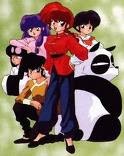
Ranma ½ (亂馬1/2)
This is one of those animes that doesn't take itself too seriously. I love watching Ranma while eating, it always gives me a good appetite. =)

Hikaru no Go (光之棋)
If I have to name one Japanese animation that means the most to me, it would be Hikaru no Go. It brought out the writer in me.

Talk about an anime that boasts attitude!
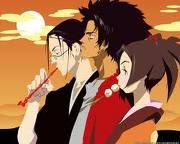
Life is but a chance encounter
Stale Dango
The Gaze of sunflower samurai

Mushishi(蟲師)
This is not anime, it is philosophy
and of course, animated movies by Miyazaki and Studio Ghibli
Sometimes I wonder why Japanese animations get all the applause and attention. I mean, we just can’t help but love them. The answer is of course manifolds, I could probably write a thesis paper on this. But to wrap up in a nutshell, I’ve always felt that Japanese animations, at least the ones geared more towards younger audience, are made with the clear understanding that kids are NOT dumb. Just because animations are more likely to be watched by kids (barring, possibly, Japan), does not mean animations should be dumbed down and scrutinized for inappropriate content with a fine-toothed comb. If an animation is politically correct to the letter, it is probably unwatchable.
And that's just one of the notable problems with Chinese animations today. They are too condescending, and they are so appropriate for kids, “protecting young hearts and minds from the ugliness out there” that they have become irrelevant and ridiculous. Kids nowadays are simply too smart/sophisticated (be it a good thing or not) for these animations. Secondly, they are Japanese-animation wannabes but fail miserably. This is truly sad, and it’s only a peep-hole revealing a sorry larger picture -- China today is in a culture-void, a ship that simply can’t find its anchor (but, another time perhaps on this). Look back to the eighties, we had something we can truly call our own, animations that have a timeless quality.
Wednesday, June 22, 2011
picture time~~~
 First, pictures of Tigress and Yutou taken this morning:
Tigress, the incredibly friendly (if not somewhat cloying) female calico kind of grimaced at me because I didn't give her any canned food, only dry food. Her favorite is "Chicken of the Sea", the kind we eat, but I only give her that very sparingly, human food in general are not good for cats. She loves canned food for cats too.
She loves rubbing against people she knows well, and is very easy to get along with. She does scowl if the food is not to her liking.
 This is Yutou (芋頭). I believe Yutou is a he. Yutou is sweet tempered and shy, I somehow have the hunch that he is the most intelligent of the lot. He has grown up so much since last summer. He loves to lap up icy cold milk. I was hesitant about giving him milk at first because many cats are not lactose tolerant, but Yutou definitely does not have that problem. He sometimes lingers on after finishing his daily canned and dry food, this is his cue that he wants some milk -- his comfort drink. Yutou has become more relaxed around me lately, he lets me scratch his ears and back and message his furry and soft limbs with both hands now. He meows loudly when I approach him with food in my hands.
 Now, as mentioned a long long time ago, I said I would post some of my sketches. At this point, I am not capable of drawing (tolerably well) from memory or imagination alone, so all the sketches I did are from photographs (not taken by me). I will try to find the original links to them.
The one to the left is a quick sketch of an Eskimo mother with her baby and a puppy. The original photograph can be found here. (scroll down)
This is actually a failed attempt, because the Eskimo woman in my sketch ends up looking like the baby's grandmother, instead of his mother (=.=). But I decided to post this piece because this was my first experience using Derwent's sketching set.
 This is the same Eskimo woman with her son, now sleeping soundly. The original link is the same as the one above. This little sketch was completed on impulse. I wasn't planning to sketch that day, but somehow I saw this photograph and I felt like giving it a try. I used normal printing paper and a very average green color pencil. I think I was in the right drawing mood, it turned out a lot better than I expected.
 This is the same Eskimo woman with her son, now sleeping soundly. The original link is the same as the one above. This little sketch was completed on impulse. I wasn't planning to sketch that day, but somehow I saw this photograph and I felt like giving it a try. I used normal printing paper and a very average green color pencil. I think I was in the right drawing mood, it turned out a lot better than I expected.
 This is my most recent sketch. I used Derwent's Drawing Pencils for coloring, and Derwent's Sketching set for outline. I absolutely love Derwent's Drawing Pencils. The colors are solid, somewhat subdued, and generally have an earthy tone (in other words, the colors are not too loud or cartoonish). This sketch took about 2 weeks to finish. The old guy's hat took some special effort, it was a pain in the neck to create those crease and folds, shadings and lighter areas. I messed up his mouth actually, in the original photo, the man has a bigger mouth. The original post where I found the photograph is here. The photograph is on one of the pages, but I really don't know which page anymore. The post, by the way, has fantastic photographs and the writing is simply heartrending.
This little caricature of a sketch is for you to laugh at and for my amusement. I am not really a fan of 黑豹(black panther), but I do like their debut album. As you can see, I sketched it from the cassette tape cover. I was sorting my old cassettes the other day, I thought it is about time I get rid of them. But I got into such a nostalgic mood that I ended up keeping most of my old cassettes. I am not even sure this cassette by Black Panther belongs to me. But anyways, I just can't find it in me to throw away BP's debut album.

My drawing tools. I hoarded lots of drawing tools, especially color pencils, ever since I started having this thing for color pencil drawings, and ever since I first set foot in Blick art store. Its a shame I have completed very few sketches but my drawing tools will last probably 50 years. But anyways, this is the 12-piece Derwent's Sketching set, the ones I use the most are HB/2B/4B graphite sketching pencils. The gray play-doh-like eraser is an excellent artist's eraser, you can knead it into any convenient shape of your choice. It erases tough marks. The white pencil-like things are paper stumps used for blending colors. They are INDISPENSABLE, especially if you need to create shading/gradation effects. And of course, you need sandpaper.


This is Derwent's Drawing Pencils. I can't say enough good things about them. They are some of the best drawing pencils you can get.
Monday, May 3, 2010
潽出来了的社会,晨雨
昨天去了BJ。
我还记得第一次去Costco时候的感觉,当时我很有些不可思议,从没有见过那么大的店面,所有商品的包装都是超大型的,价格都是比较合理甚至便宜的,去的人几乎都像搬小山一样地买东西。当时我的感觉是很惊奇的,觉得这是个中产阶级的食品/杂物的购物天堂,最近去这样的店,却觉得有些说不出的滋味。
我有时候想,我们每个人真的需要这么多的东西吗?答案肯定是“不需要”。但是这个社会的构成,或者说资本主义社会的核心精神吧,使得我们必须不断地购买东西,如果谁都不购买,社会就会崩溃。我们生活在一个只有消费, 整个社会才能够支撑的社会里。我想只要让人曝露于物质丰富的环境下,就能够滋养人性中的贪婪欲:有了就还想再有,拥有一样新东西的喜悦感很快就会消失,然后就产生空虚,而很多人只能用不断拥有更多物质来填补空虚,这应该是种恶性循环吧。而为了让这个社会能够继续运转,也应运而生地出现许多相关的理念,比如说拜金主义没有罪,女人的衣橱永远缺一双鞋,每个女人都应该拥有的十件奢侈品,男人应该追求的奢侈跑车等诸如此类让现代都市人憧憬又烦恼的东西。
我还记得第一次去Costco时候的感觉,当时我很有些不可思议,从没有见过那么大的店面,所有商品的包装都是超大型的,价格都是比较合理甚至便宜的,去的人几乎都像搬小山一样地买东西。当时我的感觉是很惊奇的,觉得这是个中产阶级的食品/杂物的购物天堂,最近去这样的店,却觉得有些说不出的滋味。
我有时候想,我们每个人真的需要这么多的东西吗?答案肯定是“不需要”。但是这个社会的构成,或者说资本主义社会的核心精神吧,使得我们必须不断地购买东西,如果谁都不购买,社会就会崩溃。我们生活在一个只有消费, 整个社会才能够支撑的社会里。我想只要让人曝露于物质丰富的环境下,就能够滋养人性中的贪婪欲:有了就还想再有,拥有一样新东西的喜悦感很快就会消失,然后就产生空虚,而很多人只能用不断拥有更多物质来填补空虚,这应该是种恶性循环吧。而为了让这个社会能够继续运转,也应运而生地出现许多相关的理念,比如说拜金主义没有罪,女人的衣橱永远缺一双鞋,每个女人都应该拥有的十件奢侈品,男人应该追求的奢侈跑车等诸如此类让现代都市人憧憬又烦恼的东西。
Tuesday, November 3, 2009
納蘭容若
臨江仙
點滴芭蕉心欲碎,聲聲催憶當初。欲眠還展舊時書。
鴛鴦小字,猶記手生疏。
倦眼乍低緗帙亂,重看一半模糊。幽窗冷雨一燈孤。
料應情盡,還道有情無?
鬓云松令
枕函香,花径漏。依约相逢,絮语黄昏后。
时节薄寒人病酒,铲地梨花,彻夜东风瘦。
掩银屏,垂翠袖。何处吹箫,脉脉情微逗。
肠断月明红豆蔻,月似当时,人似当时否?
虞美人
春情只到梨花薄,片片催零落。夕阳何事近黄昏,不道人间犹有未招魂。
银笺别梦当时句,密绾同心苣。为伊判作梦中人,长向画图清夜唤真真。
蝶恋花
又到绿杨曾折处,不语垂鞭,踏遍清秋路。
衰草连天无意绪,雁声远向萧关去。
不恨天涯行役苦,只恨西风,吹梦成今古。
明日客程还几许,沾衣况是新寒雨。
画堂春
一生一代一双人,争教两处销魂。相思相望不相亲,天为谁春?
浆向蓝桥易乞,药成碧海难奔。若容相访饮牛津,相对忘贫。
木兰花令 拟古决绝词
人生若只如初见,何事秋风悲画扇?
等闲变却故人心,却道故人心易变。
骊山语罢清宵半,泪雨霖铃终不怨。
何如薄幸锦衣郎,比翼连枝当日愿。
长相思
山一程,水一程,身向逾关那畔行,夜深千帐灯。
风一更,雪一更,聒碎乡心梦不成,故园无此声。
點滴芭蕉心欲碎,聲聲催憶當初。欲眠還展舊時書。
鴛鴦小字,猶記手生疏。
倦眼乍低緗帙亂,重看一半模糊。幽窗冷雨一燈孤。
料應情盡,還道有情無?
鬓云松令
枕函香,花径漏。依约相逢,絮语黄昏后。
时节薄寒人病酒,铲地梨花,彻夜东风瘦。
掩银屏,垂翠袖。何处吹箫,脉脉情微逗。
肠断月明红豆蔻,月似当时,人似当时否?
虞美人
春情只到梨花薄,片片催零落。夕阳何事近黄昏,不道人间犹有未招魂。
银笺别梦当时句,密绾同心苣。为伊判作梦中人,长向画图清夜唤真真。
蝶恋花
又到绿杨曾折处,不语垂鞭,踏遍清秋路。
衰草连天无意绪,雁声远向萧关去。
不恨天涯行役苦,只恨西风,吹梦成今古。
明日客程还几许,沾衣况是新寒雨。
画堂春
一生一代一双人,争教两处销魂。相思相望不相亲,天为谁春?
浆向蓝桥易乞,药成碧海难奔。若容相访饮牛津,相对忘贫。
木兰花令 拟古决绝词
人生若只如初见,何事秋风悲画扇?
等闲变却故人心,却道故人心易变。
骊山语罢清宵半,泪雨霖铃终不怨。
何如薄幸锦衣郎,比翼连枝当日愿。
长相思
山一程,水一程,身向逾关那畔行,夜深千帐灯。
风一更,雪一更,聒碎乡心梦不成,故园无此声。
Wednesday, October 7, 2009
Some random jewels, the little things that keep you sane
What am I, Life? A thing of watery salt
Held in cohesion by unresting cells,
Which work they know not why,
Which never halt,
Myself unwitting where their Master dwells?
(Quoted - original author unknown)
^.^.^.^.^.^.^.^.......@@@.......^.^.^.^.^.^.^.^
hickory... ... ...山核桃
teak ... ... ... ...柚木
ash ... ... ... ... .白蠟樹
poplar ... ... ... 白楊
birch ... ... ... ..樺樹
=/=/=/=/=/=/=/=/=/=/
heather... ... 石楠花
posy ... ... ... 小花束 (I'm so happy I found this word!)
Note to self: arrange book/stuff-shelf by color, results may be amazing...
Held in cohesion by unresting cells,
Which work they know not why,
Which never halt,
Myself unwitting where their Master dwells?
(Quoted - original author unknown)
^.^.^.^.^.^.^.^.......@@@.......^.^.^.^.^.^.^.^
hickory... ... ...山核桃
teak ... ... ... ...柚木
ash ... ... ... ... .白蠟樹
poplar ... ... ... 白楊
birch ... ... ... ..樺樹
=/=/=/=/=/=/=/=/=/=/
heather... ... 石楠花
posy ... ... ... 小花束 (I'm so happy I found this word!)
Note to self: arrange book/stuff-shelf by color, results may be amazing...
This Magic World
"You live in a magic world. If you look around you and watch carefully you can see the
magic...
Do you suppose that a caterpillar knows he's a baby butterfly, as he crawls by on his
funny little feet? Some day, he will fly on magic wings. He'll carry his own tiny,
rolled-up straw so he can reach and drink a flower's honey.
What magic bits are flower seeds! They travel far and wide. Wherever they go, they
always seem to now just what flower they should be-a poppy or pansy, a dandelion
or daisy."
(Quoted - original source unknown)
magic...
Do you suppose that a caterpillar knows he's a baby butterfly, as he crawls by on his
funny little feet? Some day, he will fly on magic wings. He'll carry his own tiny,
rolled-up straw so he can reach and drink a flower's honey.
What magic bits are flower seeds! They travel far and wide. Wherever they go, they
always seem to now just what flower they should be-a poppy or pansy, a dandelion
or daisy."
(Quoted - original source unknown)
Subscribe to:
Posts (Atom)